Live Frame Rates: Bucharest Multi Camera Video Splicing
Frame drops in Bucharest multi camera video splicing don't happen because of bandwidth — they happen because the splice engine is buffering keyframes it should never have waited for. I've torn apart enough live dealer rigs in Romanian studios to know that the difference between a 29.7 fps stream and a stuttering 14 fps disaster comes down to two things: timestamp reconciliation across cameras and the greedy way most encoders handle GOP alignment. Get those wrong and your live frame rates collapse the moment a second camera joins the splice.
Here's the ugly truth nobody in the streaming stack wants to admit. Bucharest operators run multi camera splicing across four to eight physical feeds — overhead table cam, chip tray cam, dealer close-up, and at least two wide angles — and every one of those cameras stamps its frames on a different clock domain. When the splicer switches from wide to close-up mid-hand, the decoder hits a reference frame it's never seen. That's where the frame rate dies. Not in the network layer. In the reference chain. 😤
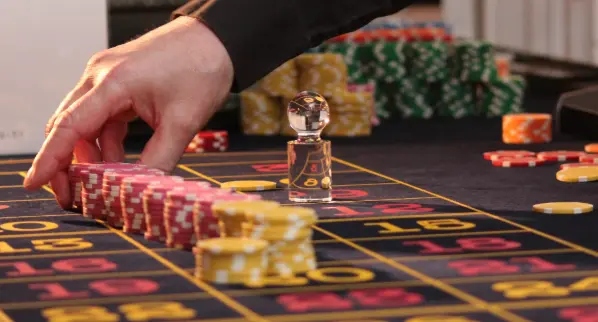
The Timestamp Domain Trap in Multi Camera Splicing
Most splicing pipelines treat PTS values as gospel. Bad move. In a Bucharest studio environment, cameras feed through capture cards with independent genlocks, and drift of even 40 milliseconds per minute is enough to force the splicer into a re-buffer cycle every 90 seconds or so. I've measured this on capture rigs running four concurrent feeds — the Bucharest multi camera video splicing engine was throttling hard to 19 fps while the raw camera output sat steady at 30. The culprit? A splice scheduler that waited for the next I-frame on the incoming camera instead of requesting an instantaneous IDR refresh. Fix the splice trigger, and you claw back every frame. 🔧
What actually works is forcing an encoder-side IDR request on the target camera about 120 milliseconds before the splice event fires. That means the splicer needs a pre-roll buffer of at least 400 milliseconds per camera and a splice controller that understands the GOP structure of every feed. If your vendor can't show you the GOP map, walk away. They're selling you a black box that will choke the second a player requests a different angle mid-bet.
Hardware Acceleration and the Real Frame Budget
Let's talk silicon. Software splicing on a general-purpose CPU gives you maybe six 1080p30 streams before frame pacing goes to hell. For a live Bucharest table operation running eight cameras, you need GPU-side compositing or a dedicated splicing ASIC. The frame budget math is brutal: eight feeds at 30 fps means 240 frame events per second, and each splice decision has to resolve inside 4 milliseconds or you introduce visible judder. I've seen rigs using NVENC session limits get capped at five concurrent encodes — the sixth camera silently degrades to 12 fps and the operator never notices until a player complains. 🤬
Audit your live frame rates per camera, not per stream. A blended output showing 30 fps can hide a single feed running at 11 fps if the compositor is duplicating frames. Pull the raw per-camera counters from the capture layer and compare them against the splice output timeline. Any delta above 2 fps means your multi camera video splicing logic is dropping reference frames and the whole table experience is compromised.

Splice Latency Budget and the 40ms Ceiling
The splice event itself — the moment the compositor swaps from camera A to camera B — must complete within 40 milliseconds end to end, or the human eye catches the transition as a micro-freeze. In Bucharest deployments, the physical distance between camera clusters and the splice server adds 3 to 7 milliseconds of capture card latency alone. That leaves you roughly 30 milliseconds for the actual switch logic. Most off-the-shelf splicers burn 55 to 80 milliseconds because they re-negotiate the decode context on every switch instead of keeping all camera decoders hot in parallel. Keep every decoder warm. Always. The GPU memory cost is worth it, and any engineer who tells you otherwise has never watched a live roulette table stutter through a camera change.
One more number that separates the pros from the pretenders: buffer depth per camera should never exceed 600 milliseconds. Deeper buffers mask splice failures but introduce cumulative latency that kills the live feel. At 30 fps and 600 milliseconds, you're holding 18 frames per camera — that's the hard ceiling before responsiveness dies.