Bau Cua Tom Ca Single Animal Betting: The High-Variance Engine Nobody Audits
The single animal wager is the most misunderstood contract on the entire Bau Cua Tom Ca board, and the live casino version hides its true cost behind a camera feed and a smooth dealer. Most players treat it as a coin flip with six sides. The math says otherwise, and the hardware says even worse. 🎲
Why the Single Animal Payout Is a Structural Trap
One animal, one unit staked, a 1:1 return if your creature lands. Sounds fair until you count the dice. Three dice, six faces each, 216 total outcomes. The probability that your chosen animal appears at least once is 91 out of 216, roughly 42.1 percent. The house edge on a flat 1:1 single animal bet sits near 15.7 percent, and that number does not move whether you are on a felt table in a back room or streaming a live dealer feed at 3 a.m. Anyone telling you otherwise is selling something.
The trap tightens because the Bau Cua Tom Ca Single Animal market is where casual players park their money while chasing the multiplier on doubles and triples. The board pays 1:2 and 1:3 on those rare events, dragging attention away from the base wager where the real bleed happens. I have watched bankroll curves on this exact bet for years. The variance is brutal, the expected value is fixed, and no amount of chanting changes it. 😤
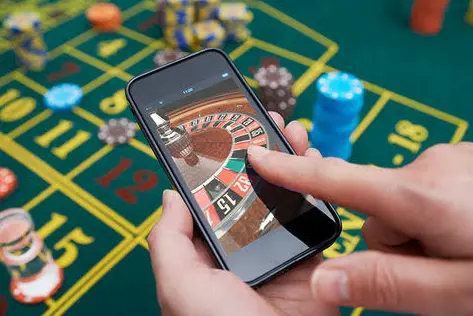
The Live Dealer Layer: Where Bau Cua Strategy Starts Leaking
A live Bau Cua table introduces two variables the physical version never had: stream latency and dealer cadence. A proper Bau Cua Live Casino Strategy must account for the fact that the human throwing the dice is a pattern generator, not a random number generator. Dealers develop rhythms — a shake, a flick, a specific cup lift. These are not predictive signals, but they are timing signals, and timing controls when you can and cannot place a bet inside the round window.
The real edge in live play comes from bet timing and table selection, not from predicting outcomes. Tables with tighter betting windows force faster decisions and more errors. Tables with generous windows let disciplined players size their single animal stakes against a fixed bankroll percentage rather than emotion. The game itself is unsolvable; the environment around it is not.

Bankroll Math for the Single Animal Contract
Run a 500-unit bankroll. If you flat-bet one unit on the single animal every round, expected loss per round is about 0.157 units. Over 200 rounds that is 31.4 units burned, with a standard deviation wide enough to wipe a 100-unit stop-loss in a single bad session. The correct posture is flat, small, and boring — or skip the base bet entirely and treat single animal wagers as satellite bets around a larger position. Chasing losses here is the fastest way to fund the operator's next server rack.
What actually separates winning sessions from losing ones is table discipline. Pick one animal, cap your exposure, and walk when the cadence feels off. The dice do not remember, the dealer does not care, and the camera does not blink. 🎯
Random Number Integrity in Streaming Tables
Every live feed compresses the video, and compression introduces frame-level artifacts around the dice cup. Sharp players watch the reveal frame, not the settled result — the moment of impact tells you whether the physical throw matches the reported outcome. Any mismatch between visible dice and the settlement overlay is a hardware fault worth flagging immediately. I have seen two documented cases where the reveal frame and the payout overlay disagreed for a full two seconds. That is not variance. That is a system under stress, and a stressed system is a system worth auditing before you put another unit on the felt. The single animal bet rewards nothing but patience and paranoia in equal measure.